Where Faith Becomes Tangible
India is the birthplace of four major religions and the adopted home of many more. Its spiritual heritage isn't confined to temples and ashrams — it's in the air, the rituals, the festivals, and the everyday lives of a billion people. Here are five destinations where even skeptics feel something shift inside.
Varanasi — The City That Death Built">1. Varanasi — The City That Death Built
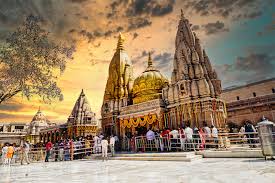
Varanasi isn't just old — it's ancient. Older than history, older than tradition, older even than legend. Mark Twain said that, and after watching the Ganga Aarti at Dashashwamedh Ghat, you'll understand why.
The evening aarti is Varanasi's crown jewel. Seven priests perform an elaborate fire ceremony with brass lamps, incense, and chanting that reverberates across the river. Thousands gather every evening, but the ceremony feels intimate — as if the Ganga herself is the only audience.
The morning experience: Wake at 4:30 AM and take a boat ride past the burning ghats at Manikarnika. It's uncomfortable, it's confronting, and it's the most honest encounter with mortality you'll ever have. The Hindu belief that dying in Varanasi liberates the soul from the cycle of rebirth has kept these cremation fires burning for over 3,000 years. Must do: Get lost in the old city lanes. The silk weavers of Varanasi have been practicing their craft for centuries, and watching them work on a handloom is mesmerizing.Rishikesh — Where the Beatles Found Peace">2. Rishikesh — Where the Beatles Found Peace
Long before Instagram made yoga trendy, Rishikesh was the world's yoga capital. The Beatles came here in 1968 to study meditation with Maharishi Mahesh Yogi, and the ashram (now abandoned and covered in Beatles graffiti) is one of the most photographed spots in town.
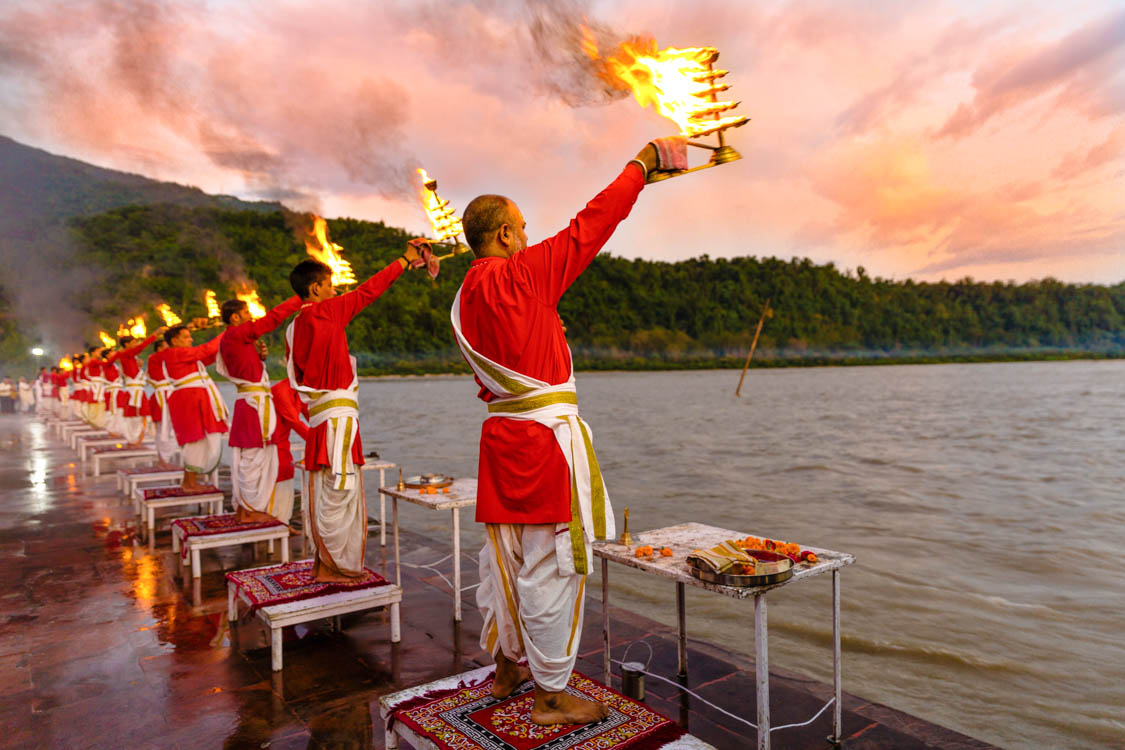
But Rishikesh is far more than its celebrity history. The Triveni Ghat aarti at sunset, the Ram Jhula and Laxman Jhula bridges spanning the turquoise Ganga, and the dozens of ashrams offering genuine spiritual practice make this a place of real transformation.
For adventurers: Rishikesh is also the white-water rafting capital of India. The Shivpuri-Rishikesh stretch offers Grade 3-4 rapids that'll test your courage before you test your meditation. Where to stay: Parmarth Niketan for the ashram experience (₹1,000/night with meals and yoga) or The Glasshouse on the Ganges for luxury (₹8,000+).Amritsar — The Golden Sanctuary">3. Amritsar — The Golden Sanctuary
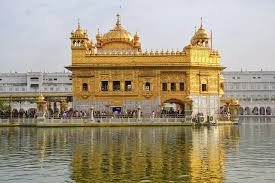
The Golden Temple (Harmandir Sahib) is not just the holiest shrine in Sikhism — it's possibly the most democratic religious space on earth. Anyone, of any faith, nationality, or social status, can enter, pray, and eat. The langar (community kitchen) serves 50,000-100,000 free meals every single day, making it the world's largest free kitchen.
The experience of walking across the marble causeway to the gold-and-marble temple, reflected perfectly in the sacred pool (Amrit Sarovar), is transcendent. Visit at 4 AM for the Palki Sahib ceremony, when the Guru Granth Sahib is ceremonially brought from the Akal Takht — the music, the devotion, the pre-dawn mist over the water.
Beyond the temple: The Jallianwala Bagh memorial is a sobering but essential visit. The Wagah Border ceremony at sunset is patriotic theater at its most dramatic.Pushkar — The Rose-Tinted Holy City">4. Pushkar — The Rose-Tinted Holy City
Pushkar is one of the world's oldest cities, and it's home to the only Brahma temple in India (and possibly the world). The tiny town sits around Pushkar Lake, a sacred lake with 52 bathing ghats where pilgrims perform rituals at dawn and dusk.
What makes Pushkar special is its scale — it's small enough to walk everywhere, quiet enough to hear temple bells from your hotel room, and spiritual enough to make you reconsider your priorities. The annual Pushkar Camel Fair (November) transforms the desert town into a carnival of culture, commerce, and camels.
Vibe: Pushkar attracts a mix of Hindu pilgrims, Israeli backpackers, and yoga enthusiasts. The cafes serve excellent hummus alongside chai, and the sunsets over the lake are reliably stunning.Bodh Gaya — Where the Buddha Woke Up">5. Bodh Gaya — Where the Buddha Woke Up
Under a Bodhi tree in this small Bihar town, Siddhartha Gautama attained enlightenment 2,500 years ago and became the Buddha. The Mahabodhi Temple, a UNESCO World Heritage Site, marks the exact spot — and the descendant of the original Bodhi tree still stands in the courtyard.
Bodh Gaya is a truly international spiritual site. Thai, Japanese, Chinese, Vietnamese, and Tibetan monasteries surround the main temple, each built in their national architectural style. Walking between them feels like a world tour of Buddhist culture.
The meditation experience: Several monasteries offer free or donation-based meditation retreats. The Root Institute for Wisdom Culture offers 10-day courses that attract practitioners from around the world.Spirituality in India isn't something you seek — it finds you. In the smoke of Varanasi's ghats, in the silence of a Rishikesh ashram, in the golden reflection of Amritsar's holiest shrine. You don't need to be religious. You just need to be present.